Winter Layering: Stay Warm Without the Bulk
Share and save this guide
Join the Newsletter
Get our latest style guides delivered directly to your inbox.
The Science of Layering
Layering isn't just about piling on clothes. It's a strategic approach to insulation that traps warmth while managing moisture. Done right, you stay comfortable indoors and out without looking like the Michelin man.
The Three-Layer System
Base layer: Wicks moisture away from your skin. Merino wool and synthetic blends work best. Cotton traps moisture, leaving you damp and cold. Fit should be snug but not restrictive.
Mid layer: Provides insulation. Fleece, wool sweaters, and down or synthetic vests trap air to retain body heat. This layer can be adjusted as conditions change.
Outer layer: Shields from wind, rain, and snow. Wool coats, down jackets, or weatherproof shells serve as your barrier. This layer can be removed or opened when active.
Lightweight Warmth
The key to avoiding bulk is choosing efficient insulators. Merino wool offers exceptional warmth for its weight. Silk liners add heat without volume. Thin but dense fabrics often outperform thick, loose knits.
Editor's recommendation notes
We only feature pieces after testing quality, fit, versatility, and long-term value. This section is being prepared so every pick is practical, wearable, and worth your budget.
Fabrics That Perform
Merino wool: Nature's performance fabric. Temperature regulating, moisture-wicking, odor-resistant. Ideal for base layers and lighter sweaters.
Cashmere: Luxurious warmth in a lightweight package. A thin cashmere sweater often outperforms a chunky acrylic knit.
Down: Unmatched warmth-to-weight ratio. Essential for serious cold. Look for responsible down standards when purchasing.
Synthetic insulation: Performs even when wet. Great for active winter pursuits and unpredictable conditions.
Styling Winter Layers
Work-appropriate: Merino base, fine-gauge sweater, tailored wool coat. Add thin gloves and a coordinating scarf.
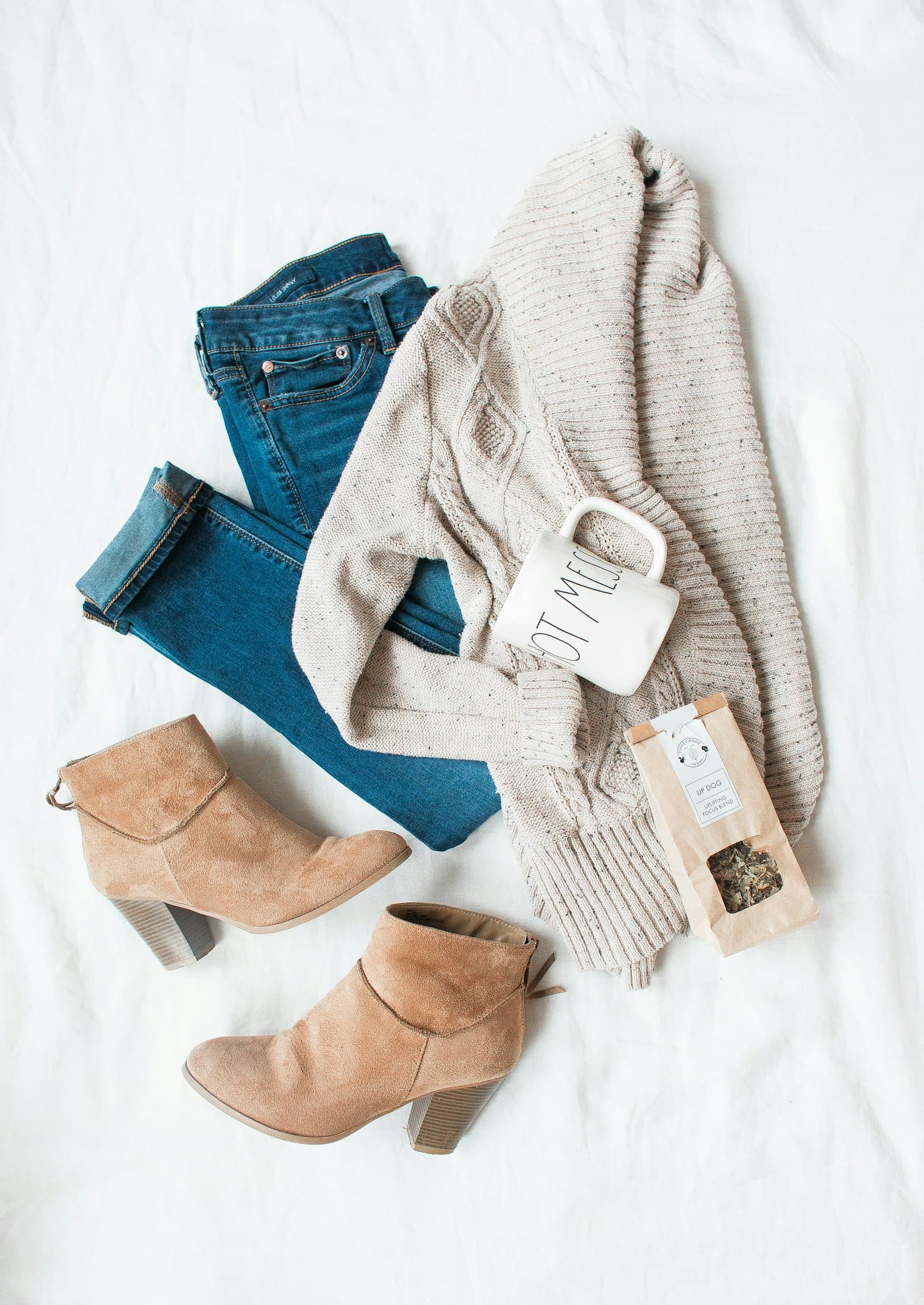
Weekend casual: Thermal base, chunky knit, down vest or parka. Jeans or heavy leggings finish the look.
Evening out: Silk camisole base, cashmere wrap or fine knit, structured coat. Consider thermal tights under dresses and skirts.
Editor's recommendation notes
We only feature pieces after testing quality, fit, versatility, and long-term value. This section is being prepared so every pick is practical, wearable, and worth your budget.
Accessories Matter
Don't underestimate accessories. A quality hat reduces heat loss significantly. Scarves seal gaps around your neck. Gloves or mittens maintain hand warmth and dexterity.
Managing the Transition
The challenge of winter layering often comes indoors. Choose layers that can be easily removed and carried. Avoid overly bulky mid-layers that become cumbersome when you're inside heated spaces.
Closing Thoughts
Layering is an art that improves with practice. Focus on quality base layers, versatile mid-layers, and a great outer coat. The result: warmth without sacrificing style or range of motion.
Keep reading
Related style guides
Fall Outfit Ideas to Refresh Your Wardrobe
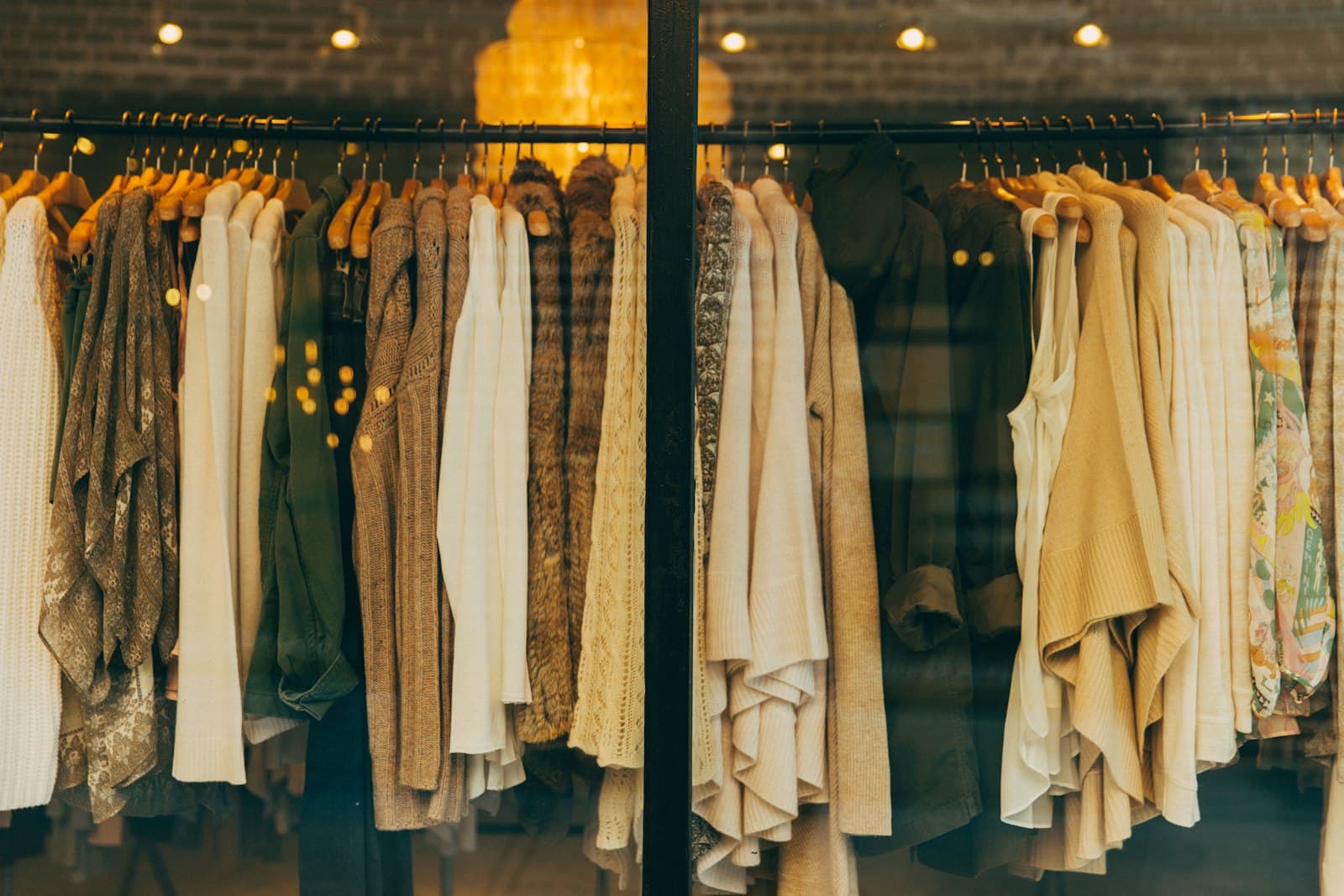
Discover stylish fall outfit combinations that blend comfort with seasonal trends. Learn how to layer effectively and make the most of your autumn wardrobe.
Read guide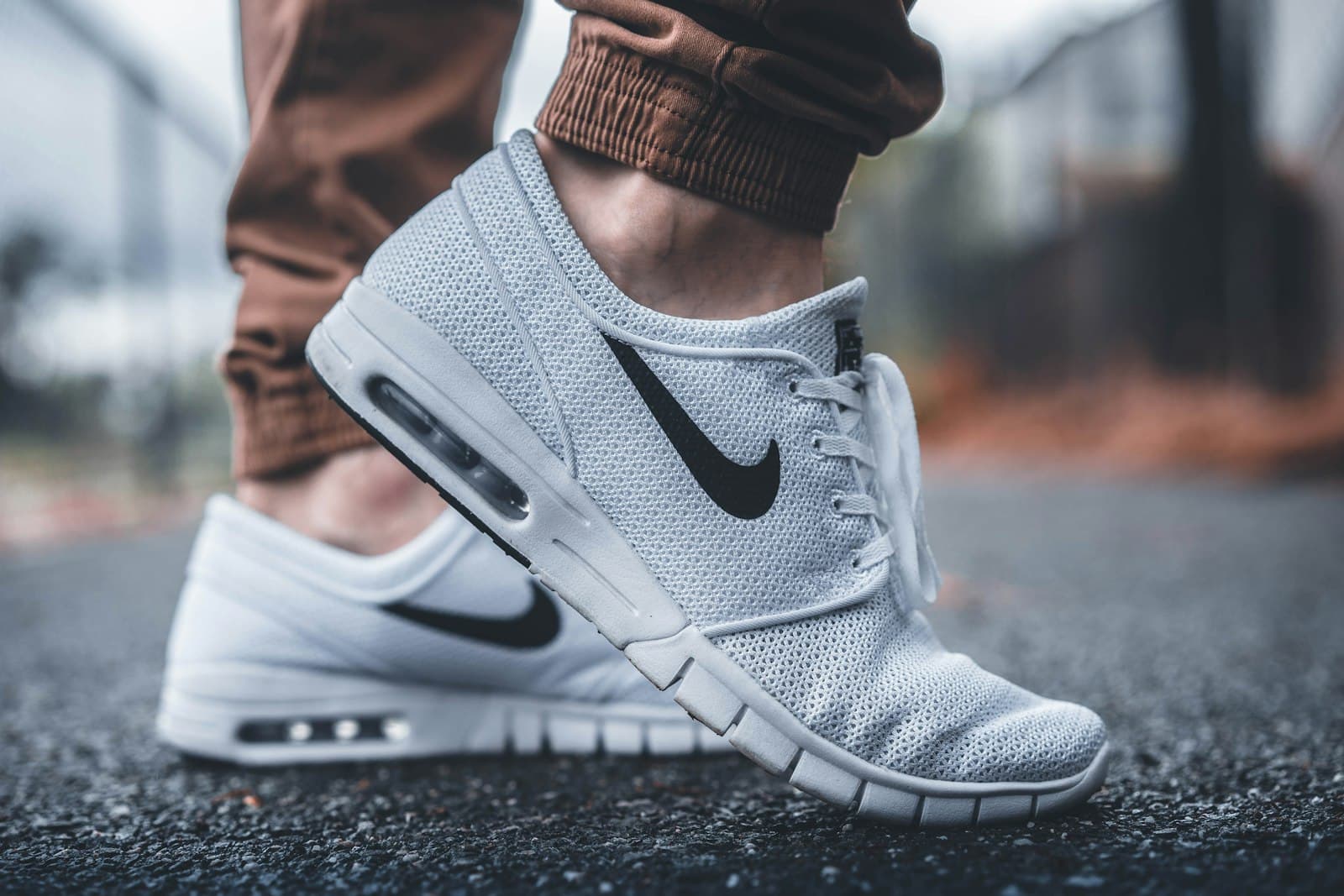
Sneaker Basics Under $50: Style on a Budget
Discover the best affordable sneakers that combine comfort, durability, and style. No need to spend a fortune to step out in confidence.
Read guide
Capsule Wardrobe for Beginners: Simplify Your Style
Learn how to build a capsule wardrobe that reduces decision fatigue and simplifies your morning routine without sacrificing personal style.
Read guide